



During a power outage
There are a number of reasons why your power might go out.
What’s causing the outage?
- LOOK around the neighbourhood, are others in your street without power?
- CHECK for faulty appliances, overloaded power points, and check your switchboard.
If the power is ON for everyone else
A safety switch in your home may have been tripped. If you're not sure how to check your switchboard, our video can help.
If the power is OFF for everyone else
- Check our current outages map to see if we're already working in your area.
- If your area is not listed on our outage page, please report your outage online below or call us on 132 004.
Safety during an outage
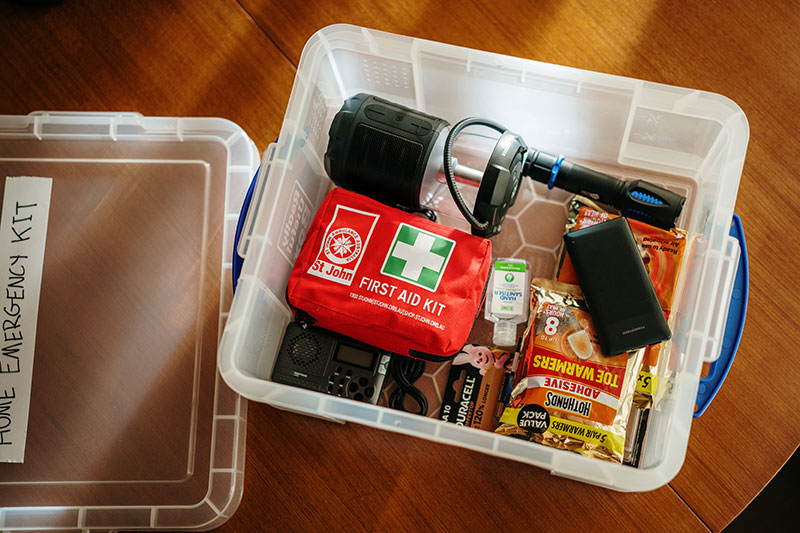
If you have a power outage plan, now is the time to rely on it. To make sure you’re ready before the next outage hits, visit our Prepare for an outage page for guidance on how to create your own power outage plan and home emergency kit.
For life-support customers
If you're dependent on electric powered, life-sustaining equipment, please visit our life-support page for more information.
Outage safety tips
- Turn off appliances like TVs, computers, laptops or any appliance that'll turn on automatically when power is restored.
- Avoid opening the fridge or freezer. Food will last longer if you keep doors closed.
- Use a portable generator with caution. Always use it in a well-ventilated dry area and connect appliances directly to the generator. Don't plug back-up generators into your switchboard. It's dangerous and can impact our crews trying to repair the network.
- If you have solar panels, these may still generate electricity. Don't climb onto your roof to inspect the panels.
- Close curtains to keep warm.
- Pipes can freeze and burst in winter. If necessary, leave taps to drip.
- Listen to your local ABC Radio station on a battery-powered radio or the car radio for power restoration updates.
Stay in the loop during a power outage
Current Outages
Check the status for current power outages. You can also follow and subscribe to specific outages on this page.
Register for Updates
Register to receive updates and alerts affecting your service address direct to your mobile phone.
TasALERT
TasALERT is an emergency warning and information system that brings together emergency information from across government.
Power outage advice in severe weather
While the electricity network can withstand extreme weather conditions, it'll always be vulnerable to high winds, heavy rain, flooding, lightning and flying debris. All of these can cause power outages, fallen powerlines and dangerous conditions around your home and community. It’s important to be prepared and know how to stay safe.
Always assume fallen powerlines are live and don’t approach them. Stay at least 10 metres away from fallen powerlines or anything touching them. Report fallen or damaged powerlines to us on 132 004.
Emergency Services
If you find yourself in an emergency situation, please contact the appropriate emergency services.
Call 000
For life threatening or imminent emergency.
Call SES 132 500
For emergency help in flood and storm.
-
During a bushfire
- If a bushfire is approaching, your safety should be your top priority. Always follow advice and instructions from emergency services, and be ready to act quickly.
- Because bushfires can cause extended power outages, don't rely on power supply as part of your Bushfire Survival Plan.
- Hot and windy weather can increase the sag and swing of powerlines. A reminder to Look Up, Look Out for sagging powerlines and anything that could touch them.
- Stay alert to changing conditions, listen for emergency updates, and watch for signs of fire such as smoke, embers, or sudden heat.
-
During a storm
- Follow local emergency instructions and advice from authorities, as they are there to help keep you safe during severe weather events.
- Stay indoors during storms and keep away from windows, glass doors, and skylights to reduce the risk of injury from broken glass or flying debris.
- Avoid using a landline telephone during a thunderstorm, as lightning can travel through phone lines and cause harm.
- Unplug sensitive appliances like computers and televisions to protect them from power surges and possible damage.
-
During a flood
- Don't stay inside a flooded building when the power is connected.
- Don't use any electrical appliances that have been wet or damaged.
- If you're in a boat, be aware rising floodwaters reduce the clearance of overhead powerlines and assume powerlines are live.
- Stay away from the electricity infrastructure, including poles, substations, fallen powerlines and any objects in contact with them. Electricity can arc to surrounding objects, which means you can be seriously injured by electricity without actually touching the powerline.
- If parts of the electricity network or fallen powerlines are covered in floodwater, stay as far away as possible because water conducts electricity.
Frequently asked questions
-
Why do I have to contact you when the power goes out?
Our systems help us identify when large numbers of customers are without power, but it doesn't tell us where individual outages occur. It also doesn’t tell us why the power’s out. Your call to us on 132 004 can provide us with more detailed information about the power outage. You can also report your power outage online.
In some cases, our crews may need to patrol a long section of powerlines to identify the cause. The information you provide us helps us narrow the patrol area and can assist in restoring power sooner.
-
Why can’t you tell me when the power will be restored?
When a power outage happens, we work to restore power as safely and as quickly as possible. Our crews don’t know how long a job will take to repair until they are on site and assess the cause and damage.
It's difficult to accurately predict when a particular customer's power will be restored – especially in the early stages of restoration, when the extent of damage is being assessed. Once assessed, we provide an approximate restoration time on our current power outages page and via SMS to those customer that are subscribed to SMS services.
-
I have solar panels, will I still have power during an outage?
For your safety, your solar inverter will automatically cut out during a power outage on the grid your system is connected to.
Check to ensure your solar inverter turns back on after planned or unplanned power outages as not all solar inverters will switch back on automatically after an outage.
-
Why does my power go on and off momentarily?
Most powerlines are protected by devices called breakers and reclosers and they work in a similar way to your home’s circuit breakers. They'll cut off power when they detect an ongoing fault (like a fallen powerline).
These devices also detect momentary faults, like when vegetation falls on a powerline. The device detects this and turns off the power supply. If the vegetation falls clear of the line, the power will turn back on. When this happens, there’s a momentary loss of power (typically less than a few seconds) to customers on that circuit.
-
Can you provide me with a generator?
TasNetworks does not provide or pay for generators during planned outages, and this extends to both life support and business customers.
If you need to hire a generator to maintain your supply, it would be at your own expense. You will need to organise the hire, transport, installation, connection and disconnection of the generator. Your electrical contractor can help you find a supplier, or you can check the ‘Generators’ section in the Yellow Pages.
If your business needs a constant power supply, we recommend installing an uninterruptible power supply (UPS) system. Electrical contractors can advise you on alternative supply options such as UPS or standby generators. Reach out to your electrical contractor to discuss the best option for you.
For more information on generators and other back up power supplies during outages, please download our brochure.
-
Can I use my home phone during a power outage?
You won’t be able to use your landline phone if it is plugged into an NBN modem and there’s a power outage. All types of landline phones (cordless phones, as well as older style un-powered corded phones) will not work during a power outage. This is because the NBN requires power at both the exchange and within the home to operate.
Your electronic equipment (such as modems, cordless phones, TVs and Wi-Fi routers) connected over the NBN will need separate battery backup to work in a power outage. Even with battery back-up, power outages may last longer than the battery life and you should be prepared to be without landline internet and telephone services for a period of time. You should talk to your equipment provider about whether your device will work when connected to the NBN and what alternative solutions are available if it doesn’t.
Explore more power outage information

Prepare for power outages
While most outages are temporary, they can disrupt daily life and pose safety risks if you’re not prepared.

After the power outage
When the power comes back on, take a few simple checks before returning to normal.

Life support customers
Information for those dependent on electric powered, life-sustaining equipment.

Business customers
Keep your business running safely and reduce the impact on your operations during an outage.